+8613650981707
 +8613650981707

Previous
Next
Food Grade Solid Defoamer: Ultimate Guide for Food Processing in 2026
Foam formation is an unavoidable challenge in food and beverage processing. From fermentation and boiling to washing and packaging, excessive foam can lead to production inefficiencies, product waste, equipment malfunctions, and even potential safety hazards. To address these issues while complying with strict food safety regulations, food grade solid defoamer has emerged as a reliable and efficient solution for food manufacturers worldwide. In this comprehensive guide, we will explore everything you need to know about food grade solid defoamers, including their composition, advantages, applications, selection criteria, and compliance standards.
What is Food Grade Solid Defoamer?
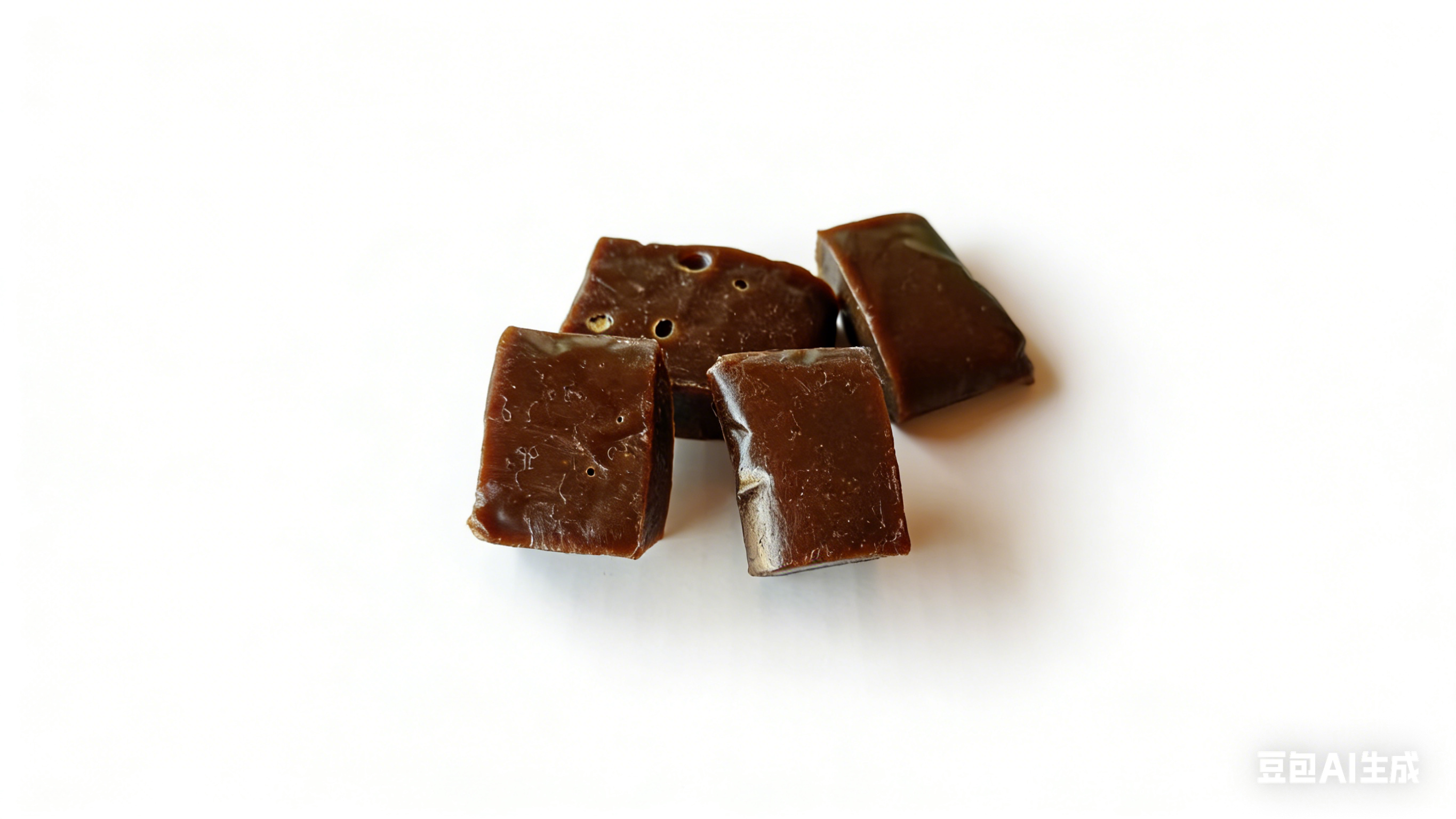
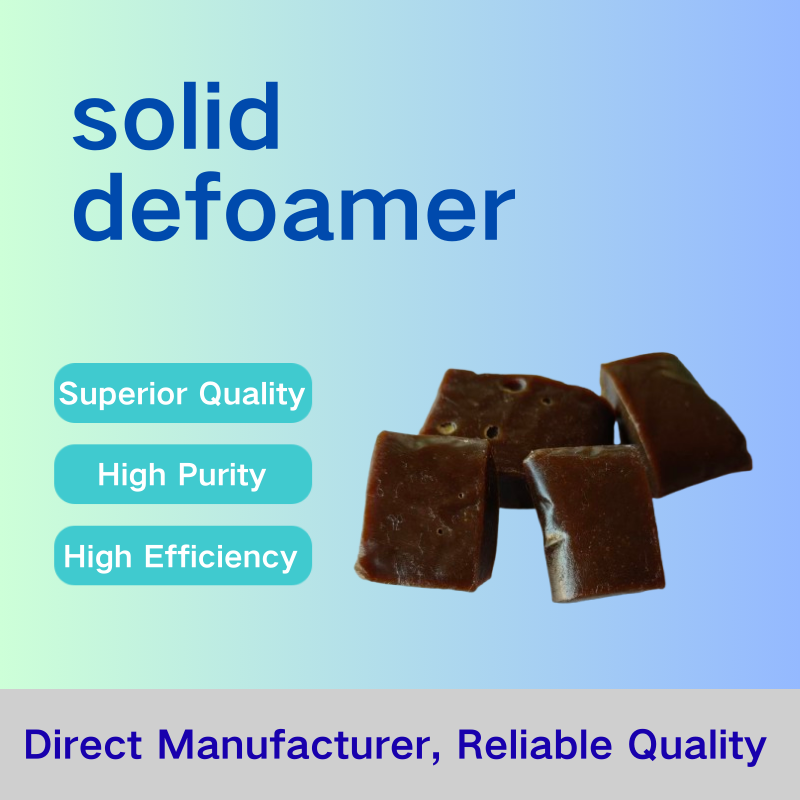
Food grade solid defoamer is a type of foam-control additive specifically formulated for use in food and beverage processing. It exists in solid forms such as granules, powders, or flakes, and is composed of food-safe active ingredients, inert carriers, and stabilizers. Unlike liquid defoamers, which may require dilution and pose leakage risks during storage and transportation, solid food grade defoamers are designed to be easy to handle, store, and apply—while meeting the strictest safety standards for direct or indirect contact with food.
The core components of food grade solid defoamers typically include:
Active ingredients: Food-safe compounds like polyethers, fatty acid esters, silicone-free surfactants, or approved silicones (compliant with FDA/EFSA standards) that break down foam bubbles by reducing surface tension.
Inert carriers: Materials such as food-grade silica, talc, or cellulose that facilitate dispersion and slow-release of active ingredients for long-lasting foam control.
Stabilizers: Natural or synthetic additives that maintain product stability during storage and processing, ensuring consistent消泡 performance.
Key characteristics of high-quality food grade solid defoamers include non-toxicity, no odor or flavor impact on food products, easy dispersibility in aqueous or oil-based systems, and compliance with global food safety regulations.
Why Choose Food Grade Solid Defoamer Over Liquid Alternatives?
While liquid defoamers are common in many industries, food grade solid defoamers offer unique advantages that make them more suitable for food processing environments. Here are the top benefits:
1. Enhanced Safety and Compliance
Food grade solid defoamers are formulated with ingredients that meet strict regulatory standards, such as FDA 21 CFR (e.g., 173.340, 176.200), EFSA, and local food safety authorities. They are non-toxic, biodegradable, and do not leave harmful residues in food products. Unlike some liquid defoamers that may contain solvents or volatile compounds, solid variants minimize the risk of contamination and ensure product safety.
2. Easy Handling, Storage, and Transportation
Solid defoamers eliminate the risk of spillage and leakage, which is a major concern with liquid products—especially in food processing facilities where cleanliness is paramount. They are lightweight, occupy less storage space, and have a longer shelf life (typically 12–24 months when stored in dry conditions) compared to liquid defoamers, which may degrade over time. Additionally, solid forms can be added directly to production processes without pre-dilution, saving time and reducing operational complexity.
3. Long-Lasting Defoaming and抑泡 Performance
Food grade solid defoamers release active ingredients slowly and evenly, providing sustained消泡 and抑泡 effects. This is particularly critical in long-duration processes such as fermentation, where continuous foam control is needed to maintain process efficiency and product quality. Studies show that solid defoamers can maintain抑泡 time for 2+ hours and achieve rapid消泡 (within 60 seconds) in food processing systems.
4. Compatibility with Food Processing Conditions
Food processing often involves extreme conditions such as high temperatures (e.g., boiling, sterilization), acidic or alkaline environments (e.g., fruit juice processing, dairy production), and mechanical agitation (e.g., mixing, pumping). High-quality food grade solid defoamers are resistant to temperature fluctuations, pH variations, and shear forces, ensuring consistent performance without compromising product quality or process stability.
5. Cost-Effectiveness
Solid defoamers require lower dosage levels (typically 10–100 ppm for food applications) compared to liquid alternatives, reducing overall usage costs. Their long shelf life and easy storage also minimize waste and inventory costs. For large-scale food manufacturers, these savings can add up significantly over time.
Key Applications of Food Grade Solid Defoamer in Food Processing
Food grade solid defoamers are versatile and can be used in a wide range of food and beverage processing stages. Below are the most common applications:
1. Fermentation Processes
Fermentation is a major source of foam in food production, including beer brewing, wine making, yogurt production, and fermentation of soy sauce or vinegar. Foam buildup during fermentation can cause overflow, reduce tank capacity, and affect the consistency of the final product. Food grade solid defoamers effectively control foam without interfering with microbial activity or altering the flavor, aroma, or texture of fermented foods.
2. Fruit and Vegetable Processing
Washing, peeling, and juicing of fruits and vegetables generate foam due to the presence of sugars, proteins, and surfactants. Excessive foam can slow down processing lines, cause equipment clogging, and lead to product waste. Solid defoamers are added to washing tanks or juicing equipment to eliminate foam, improve process efficiency, and ensure the clarity and quality of juices, purees, and concentrates.
3. Dairy Production
Dairy processing (e.g., milk pasteurization, cheese making, ice cream production) involves high temperatures and mechanical mixing, which create foam. Foam can affect heat transfer during pasteurization, reduce cheese yield, and cause texture defects in ice cream. Food grade solid defoamers are safe for use in dairy products, as they do not react with milk proteins or fats and comply with dairy safety standards.
4. Baking and Confectionery
In baking, foam formation during dough mixing or batter preparation can lead to uneven texture in bread, cakes, and pastries. Solid defoamers are used in small quantities to control foam, ensuring consistent product density and texture. They are also used in confectionery production (e.g., chocolate, candy) to prevent foam during melting, mixing, and molding processes.
5. Canning and Packaging
Foam during canning or bottling can cause underfilling, product spillage, and contamination. Food grade solid defoamers are added to fill tanks to eliminate foam, ensuring accurate fill levels and reducing waste. They are also compatible with food packaging materials and do not leave residues that could affect product shelf life.
How to Select the Right Food Grade Solid Defoamer?
Choosing the correct food grade solid defoamer requires consideration of several key factors to ensure compatibility, performance, and compliance. Here’s a step-by-step guide:
1. Check Regulatory Compliance
The most critical factor is ensuring the defoamer complies with local and global food safety regulations. Look for products that meet FDA (U.S.), EFSA (EU), GB 2760 (China), or other regional standards for food additives. The manufacturer should provide documentation such as certificates of analysis (CoA) and safety data sheets (SDS) to confirm compliance.
2. Evaluate Process Conditions
Consider the specific conditions of your food processing line, including:
- Temperature: Choose a defoamer that is stable at your process temperature (e.g., high-temperature sterilization vs. cold storage).
- pH level: Ensure compatibility with acidic (e.g., citrus juices) or alkaline (e.g., dairy) systems.
- Foam type: Dynamic foam (formed during agitation/pumping) requires a fast-acting defoamer, while static foam (sitting foam) needs long-lasting抑泡 performance.
3. Assess Compatibility with Food Products
The defoamer should not affect the taste, odor, color, or texture of your final product. For example, silicone-based defoamers may not be suitable for products with strict flavor requirements, while polyether-based or silicone-free variants are often preferred for sensitive applications like beverages and dairy. Conduct small-scale tests to confirm compatibility before full-scale use.
4. Consider Dosage and Efficiency
Opt for a defoamer that is effective at low dosages (10–100 ppm for most food applications) to minimize costs and reduce the risk of residue. High-efficiency defoamers will quickly eliminate existing foam and prevent new foam formation without overdosing.
5. Evaluate Handling and Application
Choose a solid defoamer that is easy to integrate into your production process. For example, granular defoamers are suitable for automated feeding systems, while powder defoamers can be mixed directly into dry formulations. Ensure the product is easy to disperse in your system (aqueous or oil-based) to avoid clumping or uneven performance.
Common Myths About Food Grade Solid Defoamers
There are several misconceptions about food grade solid defoamers that can hinder their adoption. Let’s debunk the most common myths:
Myth 1: Solid defoamers are less effective than liquid defoamers.
Fact: While liquid defoamers may act quickly in some systems, solid defoamers provide longer-lasting抑泡 performance due to their slow-release mechanism. They are equally effective (if not more so) in long-duration processes like fermentation and can be optimized for fast消泡 with the right formulation.
Myth 2: Solid defoamers leave residues in food products.
Fact: Food grade solid defoamers are formulated with inert, food-safe carriers and active ingredients that are either biodegradable or meet strict residue limits (e.g., FDA 21 CFR 173.340 allows up to 100 ppm in food). When used at the recommended dosage, they do not leave detectable residues or affect product safety.
Myth 3: Solid defoamers are difficult to use in automated systems.
Fact: Modern food grade solid defoamers are designed for easy integration into automated production lines. Granular variants can be fed directly into process streams using standard dosing equipment, and powder defoamers can be pre-dispersed or mixed into dry blends with minimal effort.
Conclusion
Food grade solid defoamer is an essential tool for food and beverage manufacturers looking to control foam efficiently while maintaining product safety and compliance. Its unique advantages—including enhanced safety, easy handling, long-lasting performance, and cost-effectiveness—make it the preferred choice for a wide range of food processing applications, from fermentation and dairy production to baking and packaging.
When selecting a food grade solid defoamer, prioritize regulatory compliance, process compatibility, and product safety. Partner with a reputable manufacturer that can provide technical support, compliance documentation, and customized solutions to meet your specific needs. By choosing the right food grade solid defoamer, you can optimize your production process, reduce waste, and ensure consistent, high-quality food products.
Whether you’re a small-scale bakery or a large food processing plant, investing in a high-quality food grade solid defoamer is a smart decision that will pay off in improved efficiency, product safety, and customer satisfaction.